
A year later: what happened to the first ICT conscripts?
3.11.2026
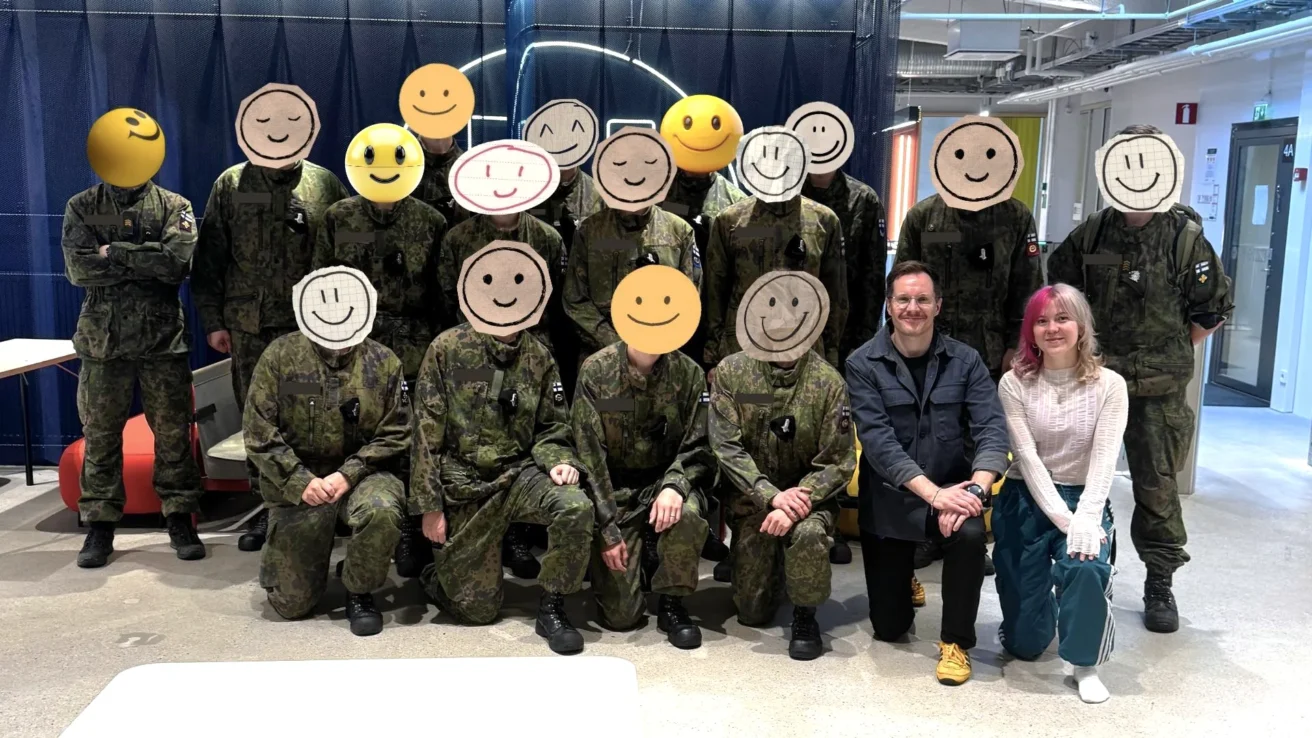
Last year, the Finnish Defence Forces asked us whether Hive’s learning model could be adapted to train ICT conscripts. We built a specialized learning phase for the C5I School’s ICT conscript program and trained the school’s own staff and conscripts to run it themselves. (You can read how it started here.)
The second batch started this Autumn, so it’s a good moment to check in on the first one.
Where are they now
The first cohort’s code is in production use at the FDF, and the majority of conscripts are now working as software engineers.
These conscripts didn’t start from zero. They came in with technical backgrounds of different kinds: some had degrees, and some were self-taught. What the program gave them was a fast, intense environment where they could sharpen what they already knew and learn new things under pressure.
We talked to two of them.
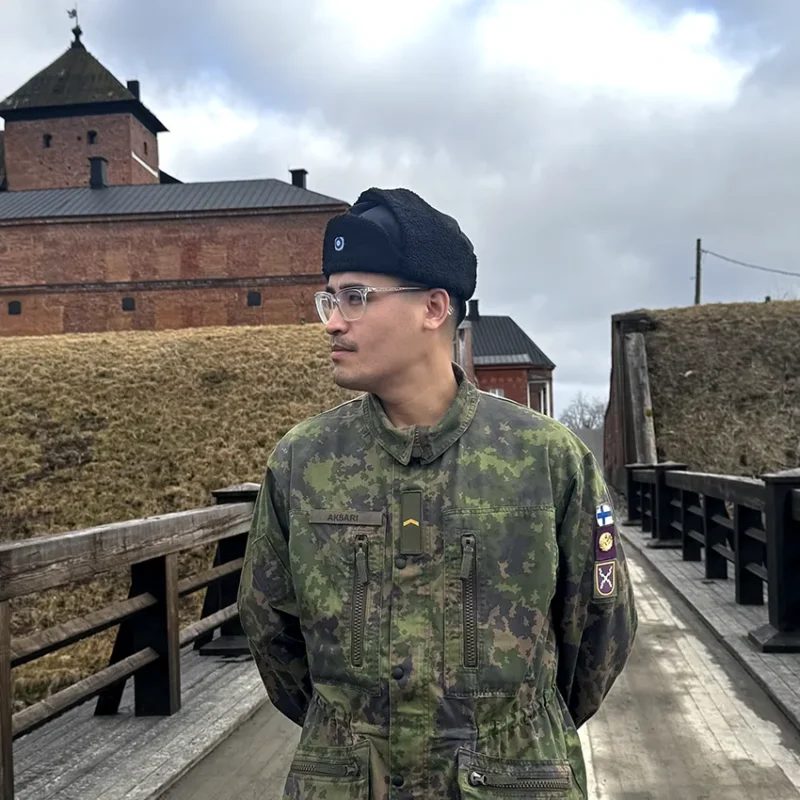
Ehsan: solving it together
Ehsan came into the program with an engineering degree, but he had to pick up new languages and tech during the program, and fast. Hive’s model was completely new to him: there were no teachers, no classrooms, and no theory lessons. Everything was learned by doing and by working with others.
“In my opinion, the style of learning was better than the traditional classroom and teacher-centered style. It was easy to compare solutions with other conscripts and learn together. When you noticed someone else hitting the same wall, it got easier to solve it together.”
Ehsan started as a software engineer at NestAI. He credits the program for the skills that got him the job.
Paavo: hands straight in the clay
Paavo has been programming since 7th grade, with no formal tech education.
“Hive’s approach matches how software development actually works in a job. You put your hands straight in the clay and have to successfully manage entire projects with deadlines and standards. The way the conscript group held everyone accountable for learning is something I haven’t seen anywhere else.”
Having no teacher in the room also changed how the group worked.
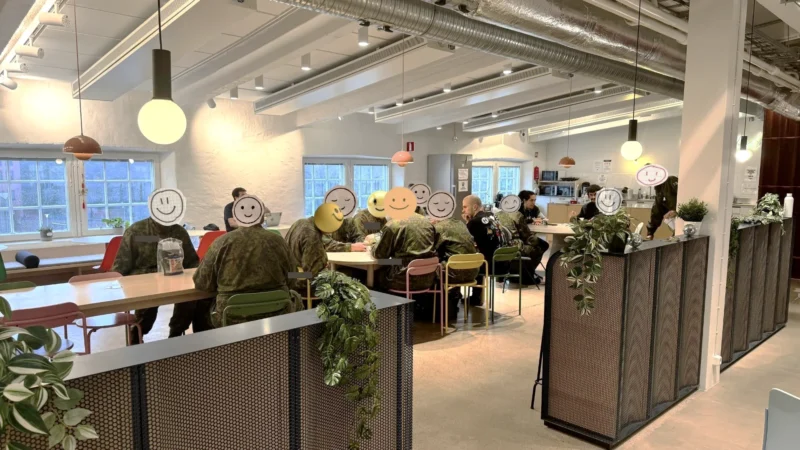
“Since the group had no teacher, questions naturally went to the more experienced students. But people genuinely enjoyed getting to use their skills to teach others. It made the group work more effective and let a much larger number of questions get answered, something that wouldn’t have been possible in a classroom with one teacher and 15 students.”
Learning results and next steps
The second batch is now underway at the C5I School. We’re looking forward to seeing what they build.